Metal Fabrication
In Bradford.
Practical metal components for factories, facilities teams and commercial contractors, made around the job they need to do.
Discuss this service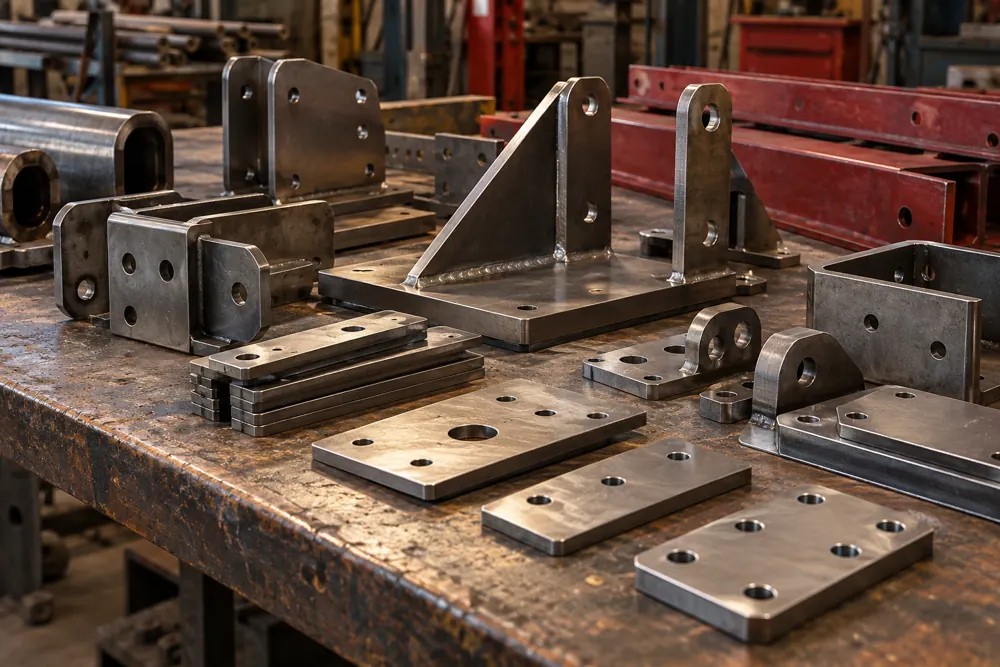
A Practical Route From Part To Assembly
Metal fabrication brings cutting, forming, drilling and joining together to make a usable component or assembly. For Bradford businesses, that might mean a bracket for a production line, a support for an equipment enclosure or a batch of plates for a contractor. The service should start with the component’s purpose and operating environment.
We help scope commercial fabrication enquiries around fit, function and finish. A small part can have important interfaces, including hole centres, mating surfaces, lifting access and maintenance clearance. Describe these early so the quotation addresses the finished assembly rather than just the raw material.
A sketch can begin the conversation, but production needs agreed dimensions and a clear acceptance basis. Tell us whether you need a prototype, a repeat batch or a replacement for an existing part. Include the quantity and any future demand without presenting an estimate as a fixed order.
Choosing Material And Method
Mild steel suits many general commercial assemblies, while stainless steel or aluminium may be considered where corrosion, cleaning or weight matters. Material selection should follow the intended use. A corrosive process, frequent washdown or contact with dissimilar metals can change the detail considerably.
Specify a material grade where the design requires one, together with thickness and any traceability requirements. Do not assume two visually similar materials will behave the same way. Where the grade of an existing component is unknown, flag that uncertainty rather than asking for an apparently identical copy.
Fabrication methods should also reflect the quantity. A simple welded assembly may suit one item, while repeat work can benefit from dedicated locating fixtures and a consistent part register. Tight tolerances should be applied to working interfaces where they are needed, with realistic allowances elsewhere.
Safe Use And Relevant Requirements
The standards that apply to metal fabrication depend on what the finished item does. A load-bearing construction component can fall within BS EN 1090-1 and BS EN 1090-2. A general bracket does not automatically become a structural product simply because it is made from steel.
For components used with workplace machinery, the Provision and Use of Work Equipment Regulations 1998 are relevant to the employer’s safe-use duties. A replacement guard or mounting must preserve the equipment’s intended safety function. Changes should be checked by a competent person, including any effect on access to moving parts.
Welding activities need suitable controls for fume under COSHH. HSE guidance describes extraction and respiratory protection according to the task. On occupied commercial sites, agree work areas, protection for nearby people and any hot-work permit arrangements before fabrication or repair starts.
How The Work Is Developed
Begin by describing the job the part performs and providing drawings, a sample or photographs with a scale reference. Next, agree the material, quantity, key dimensions and finish. Where a sample is worn, establish the original dimensions from the mating assembly rather than copying the damage.
A drawing or approved sample should settle the acceptance criteria before a full batch is made. For parts that must fit existing equipment, a trial item can expose access problems or hidden tolerances. Record any approved change so subsequent parts match the accepted version.
The manufacturing sequence then covers cutting, edge preparation, forming and joining as needed. Final checks should address the dimensions and finish that matter in service. Agree identification and packaging where similar parts could be confused during delivery or installation.
Cost, Finish And Repeat Orders
The main cost drivers are material, thickness, part complexity, welding time, forming requirements and batch size. Machined interfaces, specialist finishes and documented inspection can add separate operations. A quotation is more useful when those requirements are known rather than added after manufacture has started.
Finish needs a defined purpose. Painted steel, powder coating and galvanising have different preparation and design implications, and the assembly geometry may affect suitability. Identify surfaces that must stay uncoated, bolt holes that need allowance and areas exposed to weather or cleaning chemicals.
For repeat orders, keep the approved drawing revision, material specification and accepted sample reference together. A new quantity should not quietly inherit an old design error. Use our enquiry form to explain the application, required delivery area and any unresolved technical questions before requesting a production quotation.
Your Questions Answered
Can You Work From An Existing Metal Part?
An existing metal part can help define a replacement, especially when photographs and mating dimensions are provided. Wear, distortion and unknown material grades still need investigation. Identify how the part is used and any safety function it performs so the final drawing reflects the required working condition rather than copying defects.
Which Metal Is Best For A Commercial Assembly?
The best metal for a commercial assembly depends on loads, corrosion, cleaning, temperature and weight. Mild steel, stainless steel and aluminium each have different fabrication and finishing needs. Share the operating conditions and any specified grade so the material can be checked before a design and quotation are finalised.
Project Guidance
Requirements depend on the application. Confirm the specification and supplier evidence for your project.
Related Steelwork Services
Have A Steelwork Project In Mind?
Send the site location, scope and any drawing details. We will help you identify the next step.